P/N 2455038-2: Rear Engine Compartment Baffle
P/N 2455038-2: Rear Engine Compartment Baffle
Blog Article
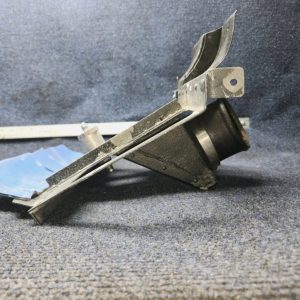
The Cessna 172RG Rear RH Baffle Assembly
The Cessna 172RG Rear Right-Hand Baffle can support airflow management, while the Cessna 172RG Engine Baffle and Cessna 172RG Cooling Baffle descriptions should not imply universal interchangeability.
Whether described as a Cessna Cutlass Engine Baffle, Cessna 172RG Baffle Assembly, Rear RH Engine Baffle, or Aircraft Engine Baffle Assembly, precise configuration verification remains essential.
The Cessna Engine Cooling Baffle works with other Cessna 172RG Engine Compartment Parts to reduce unwanted air leakage and direct airflow through intended cooling paths.
The Cessna Aircraft Engine Baffle may provide replacement value when its geometry, mounting points, seals, and material condition remain suitable.
Identifying the Cessna 172RG Rear RH Baffle
The seller should provide photographs of identification markings, flanges, holes, brackets, edges, formed contours, and previous repairs.
Strong traceability improves the commercial and maintenance value of the Cessna 172RG Rear RH Baffle Assembly.
How Aircraft Baffles Direct Cooling Air
The component should not be considered an isolated panel because its effectiveness depends on the condition of the complete baffle arrangement.
Unexpected temperature indications may result from multiple causes rather than the rear baffle alone.
Cessna 172RG and Cutlass Compatibility
The offered assembly should be compared with the removed component, mounting points, adjacent baffles, cowling, and technical illustrations.
Mounting holes should not be enlarged or relocated casually to force alignment.
Understanding Formed Aluminum Cooling Panels
Preserving original geometry supports proper alignment and airflow management.
Small distortions may create air gaps, cowling interference, fastener misalignment, or stress around mounting points.
Aircraft Cooling Component Inspection
Both sides should be examined under suitable lighting, especially around bends, corners, mounting holes, stiffeners, and seal-retaining edges.
Cracks can begin near holes, bends, notches, bracket ends, and areas where the sheet metal has been repeatedly flexed.
Cessna Cooling Air Seal Replacement
Accurate seal information helps buyers calculate the complete repair more info requirements.
Seal attachment holes and retaining strips should be inspected for corrosion, cracking, elongation, and previous modification.
Engine Compartment Contamination Concerns
Professional corrosion treatment helps preserve the remaining baffle within acceptable limits.
Protective coatings should be compatible with the material and intended engine-compartment environment.
Cessna Engine Baffle Mounting Condition
Stop-drilled cracks should not be treated as complete repairs without supporting technical information.
The replacement assembly should align with surrounding parts without using fasteners to pull severely mismatched sections together.
Supporting Components Around the Rear RH Baffle
A missing bracket, damaged seal, or distorted neighboring panel can delay installation even when the primary baffle is available.
Used Cessna 172RG Engine Compartment Parts should be evaluated individually rather than accepted solely because they came from the same donor aircraft.
Inspecting the Complete Cooling System
Complete troubleshooting helps prevent unnecessary replacement and repeated maintenance.
Cleaning or replacing one baffle should not be presented as a guaranteed cooling improvement.
Sheet-Metal Cooling Component Restoration
A localized defect may be repairable, while widespread cracking, severe corrosion, or distorted geometry may support replacement.
The completed component should be inspected before installation.
Commercial Value of the Cessna 172RG Baffle
Damaged or incomplete baffles may still have repair-candidate, restoration, pattern, or reference value when described accurately.
Dimensions and detailed photographs should be supplied before shipping arrangements are finalized.
Inspecting the Baffle Before Purchase
A detailed review reduces unsuitable purchases and unexpected repair costs.
- Determine whether seal material, retainers, fasteners, clips, brackets, records, or release documents are included.
- Inspect the baffle for cracks, corrosion, pitting, dents, buckling, distortion, elongated holes, fretting, broken brackets, damaged flanges, and previous repairs.
- Retain purchase records, photographs, measurements, traceability information, inspection findings, repair data, and shipping documents with the project file.
Protecting Cessna Engine Baffles in Transit
Loose seals and hardware should be bagged, labeled, and secured separately.
Identification tags and records should remain attached or clearly associated with the component.
Cessna Cutlass Cooling System Installation
The baffle should be trial-fitted to confirm contour, hole alignment, bracket position, seal contact, engine clearance, and cowling relationship.
Fastener holes should be inspected carefully, while hardware type, grip, spacing, and installation method should correspond with suitable technical data.
Ground-operation observations should be completed through suitable procedures without promising a specific temperature improvement.
Maintaining the Cessna 172RG Cooling System
The assembly should receive attention after engine work, cowling damage, abnormal vibration, overheating indications, fluid leaks, or suspected impact.
Preventive maintenance protects both P/N 2455038-2 and surrounding Cessna 172RG Engine Compartment Parts.
P/N 2455038-2
The Cessna 172RG Rear RH Baffle Assembly
The baffle should be judged according to complete installation suitability rather than clean appearance, general Cessna similarity, donor-aircraft status, or purchase price alone.
Whether maintenance teams are sourcing an Engine Cooling Baffle Assembly, Cessna Cutlass Cooling System Part, or Cessna 172RG Replacement Baffle, qualified installation should precede operational use.
With complete evaluation and continued care, the Cessna 172RG Rear RH Baffle Assembly
Report this page